
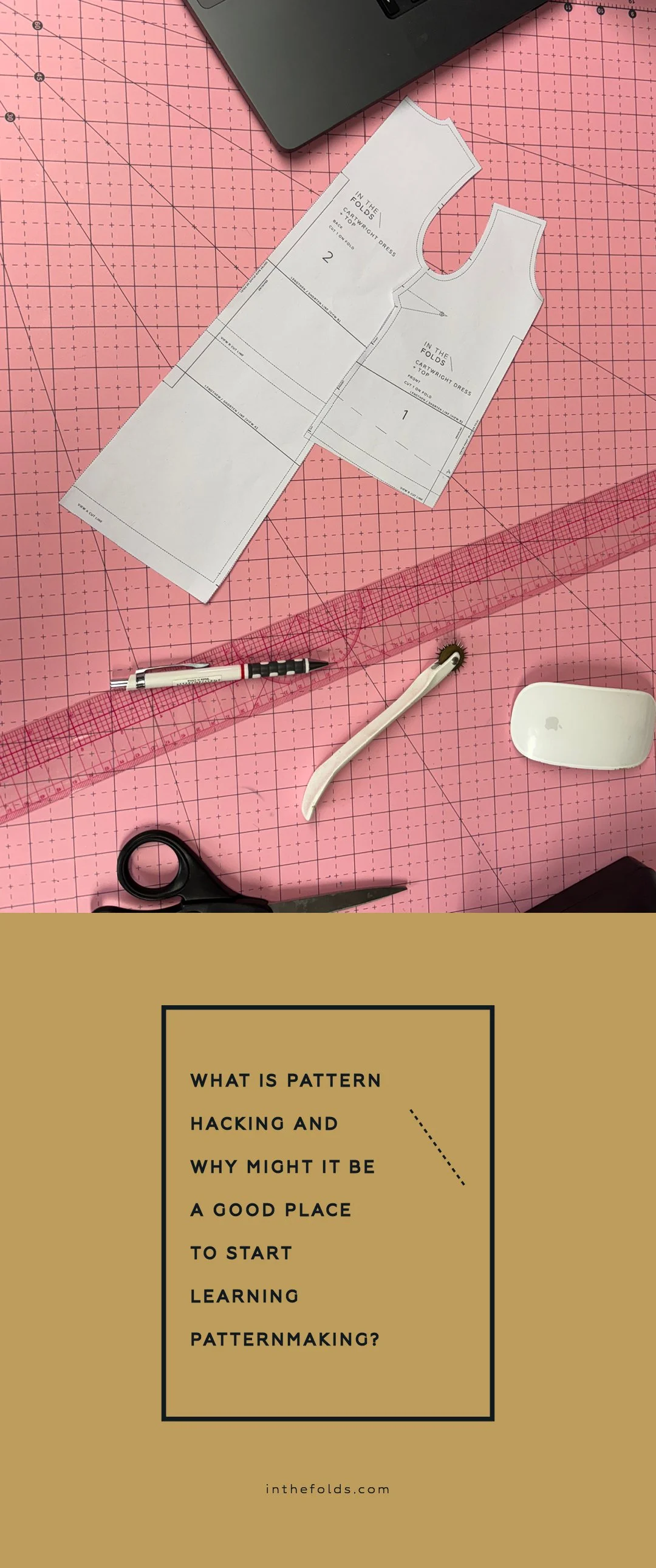
Have you ever looked at a sewing pattern and thought…
I love it, but I wish the neckline was different.
Could I turn this dress into a top?
What if that seam sat a little bit higher?
…you’ve already started thinking like a patternmaker.
So, what exactly is pattern hacking?
Pattern hacking is simply using an existing sewing pattern as the starting point for creating something new.
That might be a tiny change, like altering a neckline or adding a pocket. Or it might completely transform the garment, for example turning a dress into separates, adding new seam lines, changing the silhouette or combining parts from different patterns.
And although we tend to call it pattern hacking, what you’re actually doing is patternmaking.
You’re just learning it with a little bit of scaffolding. The existing pattern gives you reference points to work from, so you can start making changes with more confidence, rather than having to figure everything out from scratch.
Patternmaking doesn't have to start with a blank page
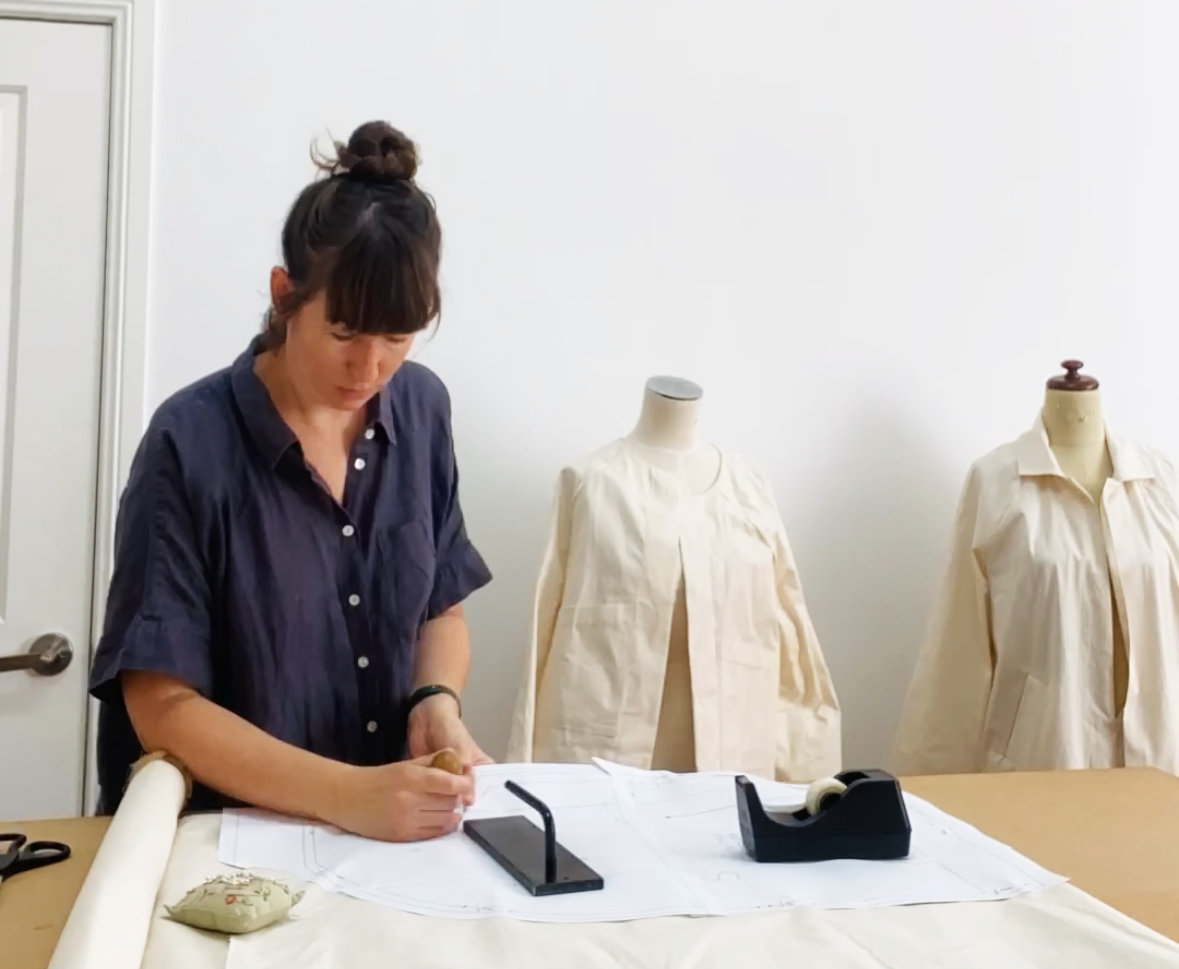
I think this is one of the reasons patternmaking can feel intimidating. We imagine a patternmaker standing at a huge table with a ruler and a completely blank piece of paper, somehow knowing exactly where every line needs to go. But that’s not actually the case. Most patternmakers are starting from somewhere. Whether it’s a pattern block, another pattern or by draping fabric onto a dressform, very rarely would we start from a blank page.
The beauty of pattern hacking - especially when you are new to it - is that lots of decisions have already been made for you. You have a neckline. An armhole. A shoulder. A side seam. You have proportions to work with and, ideally, you already know that the pattern fits your body.
Instead of having to figure out everything, you can concentrate on one question:
What happens if I change this?
Perhaps you shorten a dress into a top.
Then you learn how to establish a new hemline and make sure the pattern pieces still work together.
Perhaps you add a curved panel line.
Now you're learning how to create a seam where there wasn't one before, add seam allowance and make sure the two new pieces will sew back together correctly.
Maybe you change the neckline. Suddenly you're thinking about how different shapes look and feel on your body. Thinking about the ways you like a neckline to be finished. Is it with bias binding or a facing?
One change leads you into a handful of patternmaking principles. And then you realise that those same principles start appearing again and again.
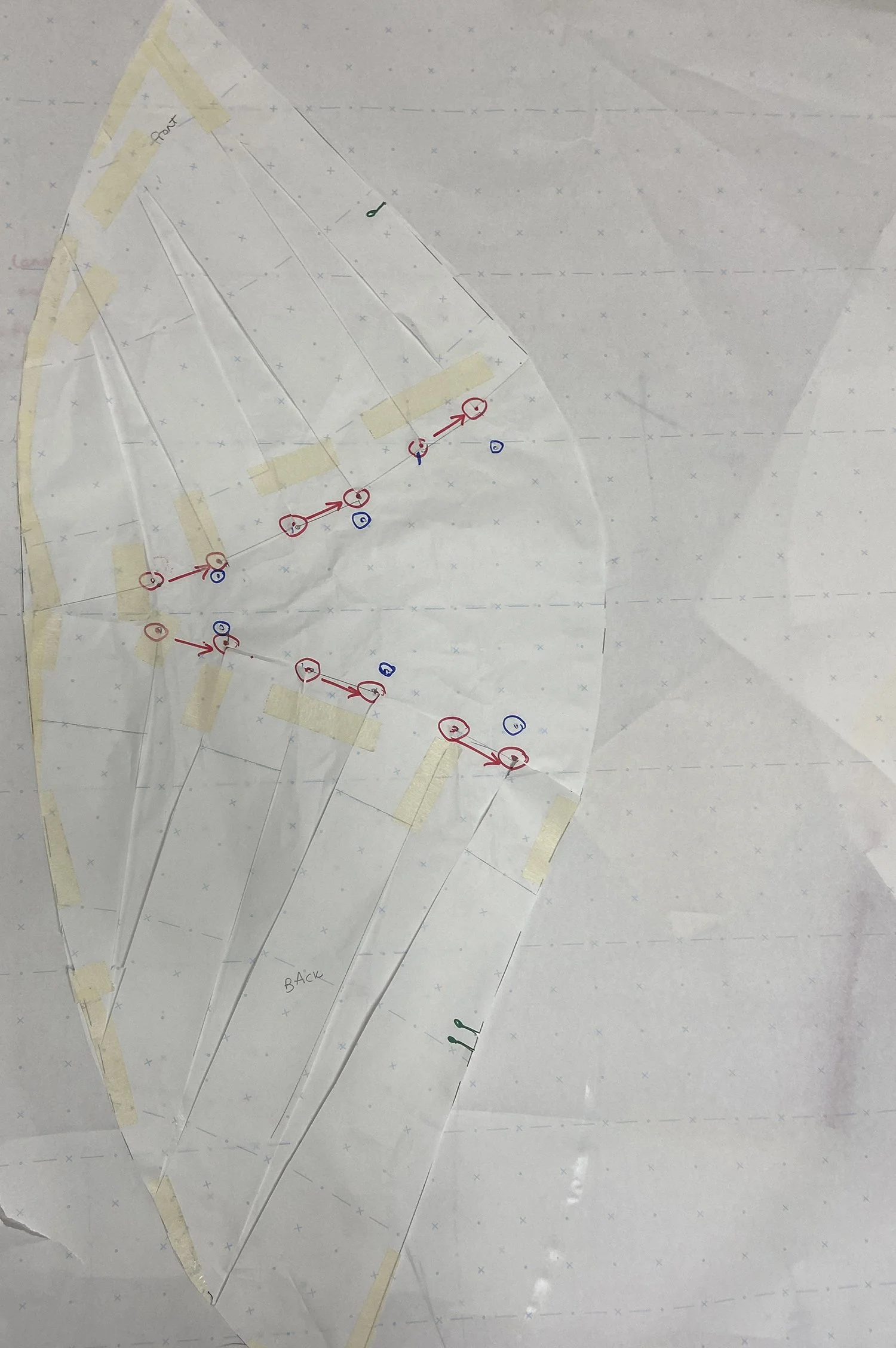
This wacky photo shows the drafting process for the Hove tote bag.
This is where things get really fun
Because eventually you stop seeing a sewing pattern as a fixed set of instructions. You start seeing possibilities.
A pattern you know fits well can become the starting point for multiple garments. A detail you spot on a favourite piece of clothing might become something you know how to recreate. You can respond to the way you actually wear your clothes — I'd wear this more if it were shorter / had pockets / was a top / had a different neckline — rather than always searching for another pattern.
That's one of the things I love most about patternmaking. You're not just learning how to make one particular hack. You're slowly building a toolbox of skills that you can continue using and apply to other projects.
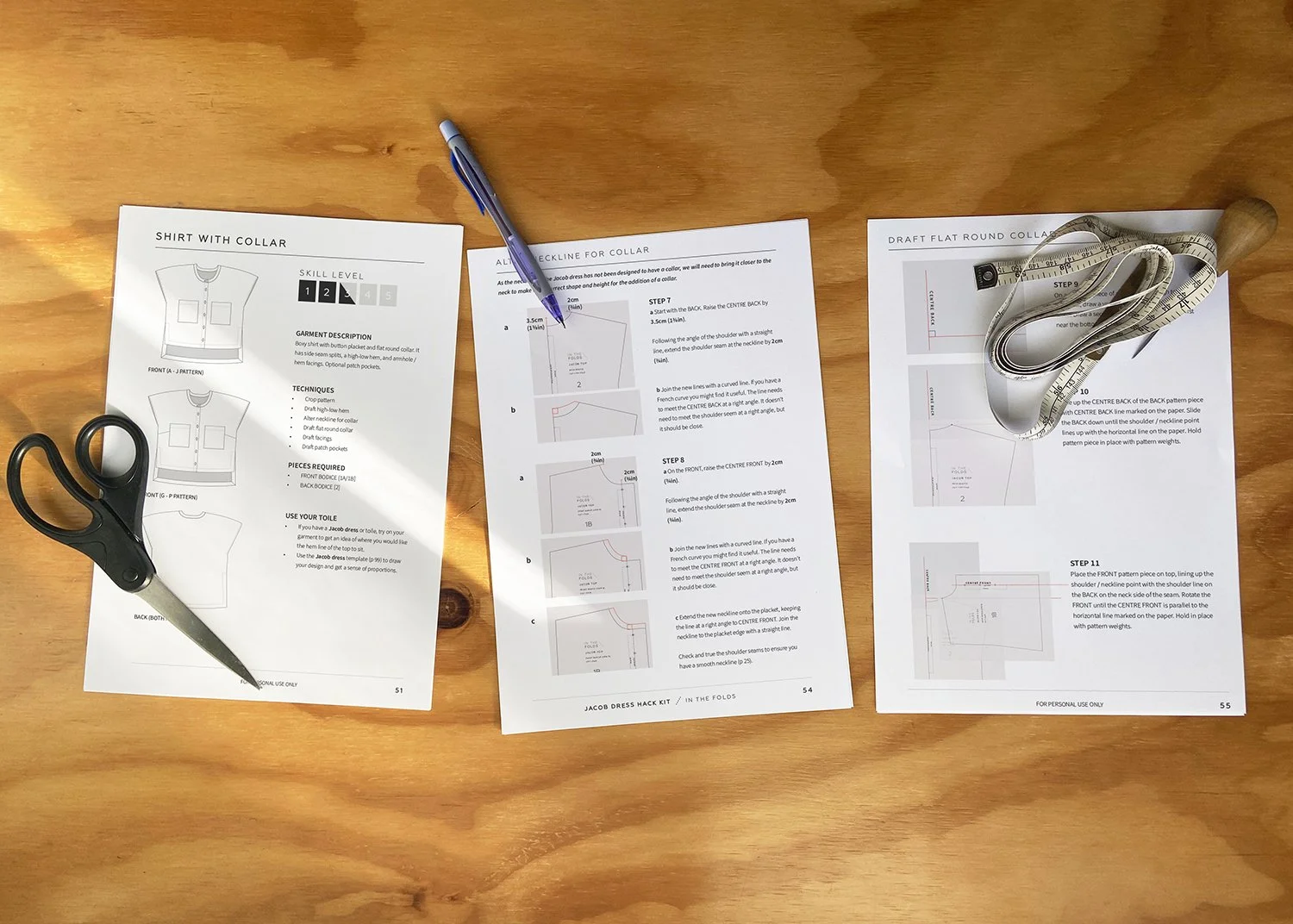
The Jacob Hack Kit, for example, includes instructions for turning the dress into a boxy top, a shirt with a collar, a top with armhole drawstrings and different panel lines, and skirts with either an elastic waistband or yoke… all from the base pattern. And there are probably another 100 variations we could have gone with. Once you know how to pattern hack, the options are almost endless.
But the real point isn't to make every version. It's what you learn while making them.
You can start really small.
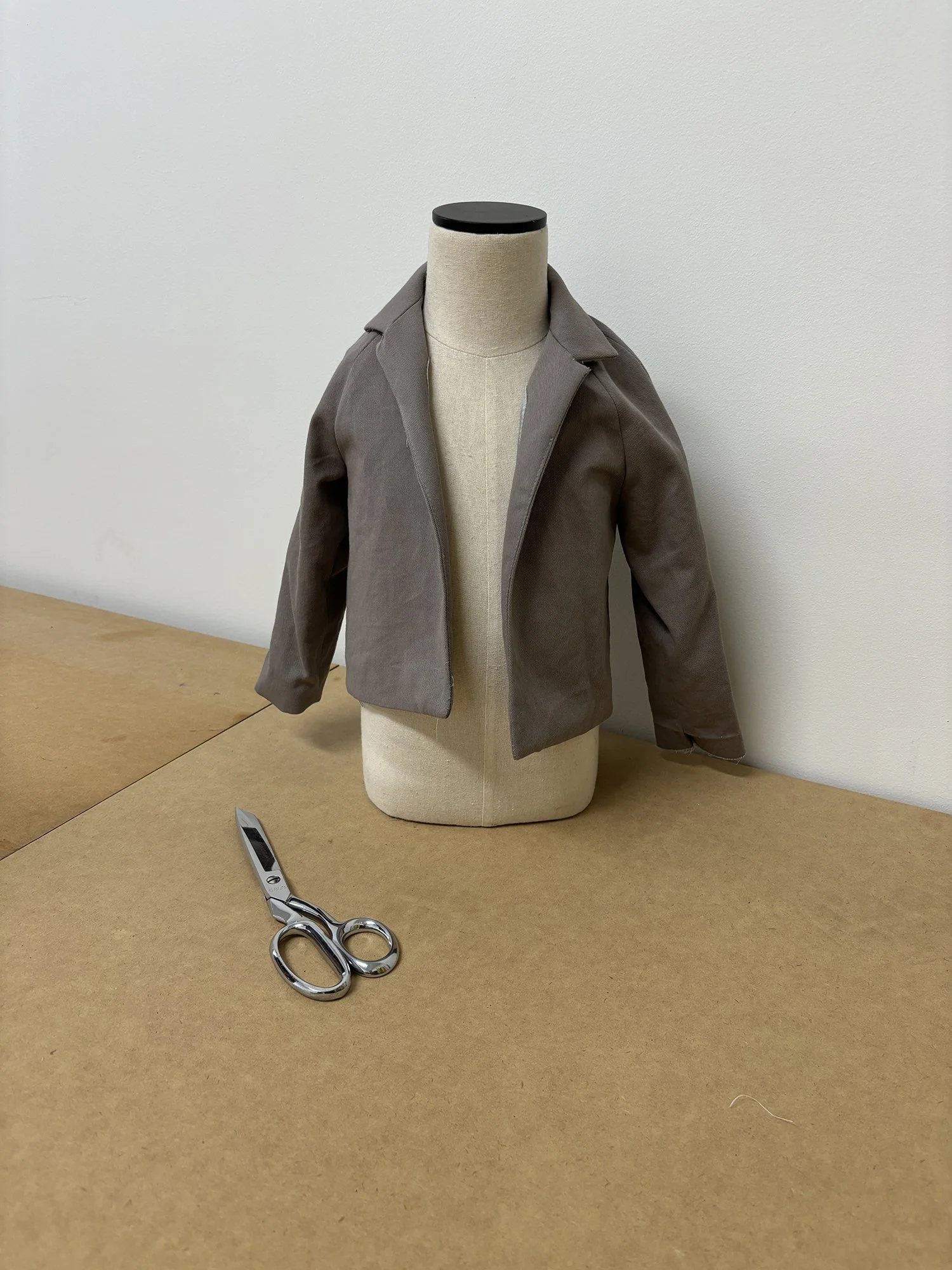
This is also why we've included small-scale Jacob pattern pieces in the Hack Kit.
Patternmakers often work in half or third scale when they're experimenting with an idea. It's faster, uses less paper and gives you somewhere to try something without worrying about ruining your full-size pattern. You can even sew a tiny sample if you want to see what happens in fabric. So if you've never hacked a pattern before, you don't need to go straight to the full size pattern if you don’t want to.
Just print the small-scale pieces and start small.
Get some paper, a pencil and some tape.
Cut a line.
Move something.
Tape it back together.
See what happens.
That's patternmaking.
And if you're already a patternmaking nerd…
There is plenty you can get out of pattern hacking too.
The Hack Kit gets into the details: tracing patterns, marking notches, adding seam allowance, checking and truing patterns, truing darts, rotating darts, rotating darts to add volume, making toiles and more. These are techniques you can return to when altering Jacob, but also when you're working with other patterns in your stash.
Because the goal isn't for you to follow our instructions forever.
It's to start understanding why you're doing each step, so that over time you feel confident enough to ask:
What if I tried…?
…and have some idea of how you might make it happen.
Meet the Jacob dress + Hack Kit
This week we released the Jacob dress as a standalone pattern, along with its Hack Kit. If you just want to sew Jacob as it is, you absolutely can. But if you've been curious about patternmaking and haven't known where to begin, the Hack Kit gives you a pattern to start from, a collection of techniques to learn, and a series of projects that let you put those techniques into practice.
You don't need to know how to draft a pattern. You don't need a table full of fancy patternmaking tools. And you definitely don't need to make every hack.
Start with one change. See what it teaches you. And then maybe you'll start looking at the rest of the patterns in your stash a little differently.